Procedure Training in Robotic Surgery
Procedure Training in Robotic Surgery
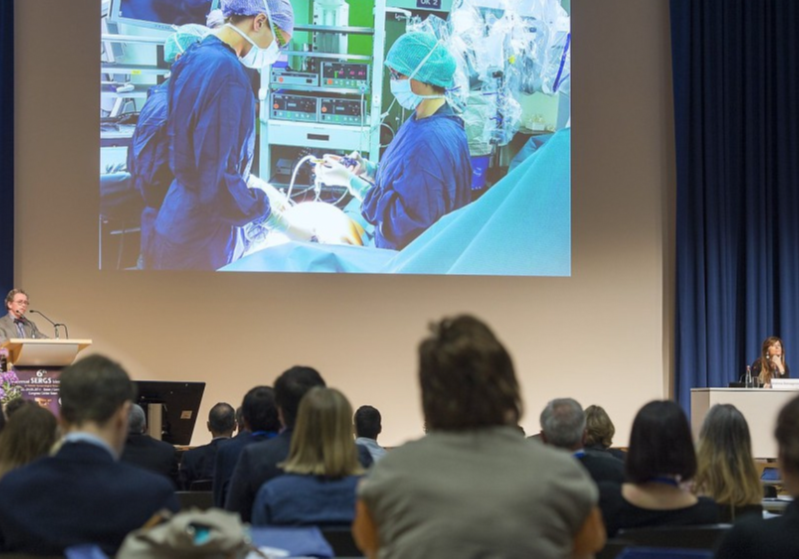
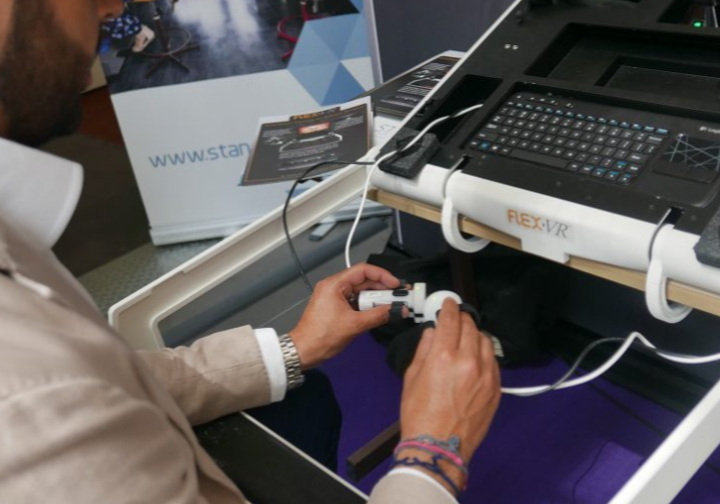
This intensive, hands-on pre-congress course is designed for participants at the beginning of their surgical careers who wish to build a strong foundation in robotic gynaecologic procedures. Under the guidance of highly experienced robotic surgeons, participants will train in small groups, ensuring individualized instruction with two learners per faculty member. The course offers a unique combination of expert-led lectures and immersive wet‑lab practice on both live and simulated tissue.
Date: Monday, 25 May 2026, Karolinska training centre
Target Group: Early-career surgeons (maximum 9 participants)
Course Fee: 1,000 EUR
8.00-8.15 Welcome
- Introduction and presentation
- Program overview
- Objectives
8.15-9.00 Lecture: Benign hysterectomy and myomectomy - Charlotta Ersmark
- Patient selection
- Traditional side docking
- High BMI and large uterus
- Managing complications
9-11.30 Wet lab: 3 person per team operating on 3 living pigs. There will be a coring exercise on bovine tongue available for participants while not actively operating in the robot.
- Docking approaches
- Instruments
- Dissection technique
- Suturing
- Myomectomy
- Coring of specimen.
11.30-12 Anatomy Lecture - Peter Anfelter
12-13 LUNCH
13.00-15.30 Wet lab:
- Continue training including trying different instruments.
15.30-16.00 Lecture Large ovarian cysts- Francois Zaccarini
16.00-16.30. Course completion
- Questions
- Debriefing and review
Course Overview
The program begins with an introductory session outlining the course objectives and structure, followed by a focused lecture on benign hysterectomy and myomectomy in robotic surgery. Topics include patient selection, docking strategies, managing anatomical challenges such as high BMI or large uteri, and approaches to complication management.
Participants will then rotate through structured wet‑lab sessions in teams of two. Training includes hands‑on practice on living porcine models as well as on high-fidelity simulation specimens (KindHeart models and bovine tongue for coring exercises). Under close supervision, trainees will refine essential skills such as:
- Docking techniques
- Instrument handling
- Dissection strategies
- Robotic suturing
- Myomectomy techniques
- Specimen coring
The afternoon session allows teams to switch stations, ensuring equal exposure to all training environments and the opportunity to test different instrument configurations.
The day concludes with a debriefing and open discussion to consolidate learning and address participant questions.